
Gesture Controls as Gateways to Layered Incentives Linking Slot Reels and Athletic Event Wagering
Portable systems now rely on specific touchscreen gesture patterns to determine user entry into staged incentive structures, and these patterns connect automated reel sequences directly to athletic outcome markets in real time. Developers have built interfaces where swipe sequences, tap durations, and multi-finger holds trigger eligibility checks that unlock progressive reward tiers, while the same gestures maintain seamless transitions between video reel cycles and live sports forecasting modules. Industry data collected through November 2026 shows that platforms adopting these controls recorded measurable shifts in how users progressed from initial reel sessions to combined betting environments.
Core Gesture Mechanisms and Their Technical Implementation
Research from the University of Nevada, Las Vegas gaming technology lab indicates that standardized gesture libraries now include pressure-sensitive taps, circular swipes, and hold-and-drag motions that map to distinct access levels within incentive frameworks. These libraries operate across both iOS and Android environments, where the system registers gesture velocity and sequence accuracy before granting permission to advance through reward stages. When a user performs a verified three-finger hold during a reel spin, the application routes the action to an eligibility engine that checks prior play history and account verification status, then either releases the next incentive tier or routes the session toward athletic outcome projections.
Developers integrate these controls through API connections that link reel simulation engines with sports data streams, allowing a single gesture to influence both mechanical outcomes and live event odds displays. According to figures from the Alcohol and Gaming Commission of Ontario, applications using this architecture saw average session lengths increase as users navigated between reel sequences and simultaneous athletic markets without separate logins or menu selections.
Staged Incentive Structures and Access Timelines
Staged incentives typically progress through three or four distinct levels, each gated by gesture verification combined with deposit or play thresholds. The first level often activates after a basic swipe pattern completes a reel cycle, releasing free spin credits that carry over into sports forecasting tools. Subsequent levels require more complex sequences, such as diagonal drags followed by sustained pressure, which unlock higher-value rewards tied to live athletic event streams. Observers note that these mechanics create measurable differences in how quickly users reach each tier, with data logs revealing that verified gesture users reached level-three incentives 18 percent faster than those relying on menu-based navigation alone.
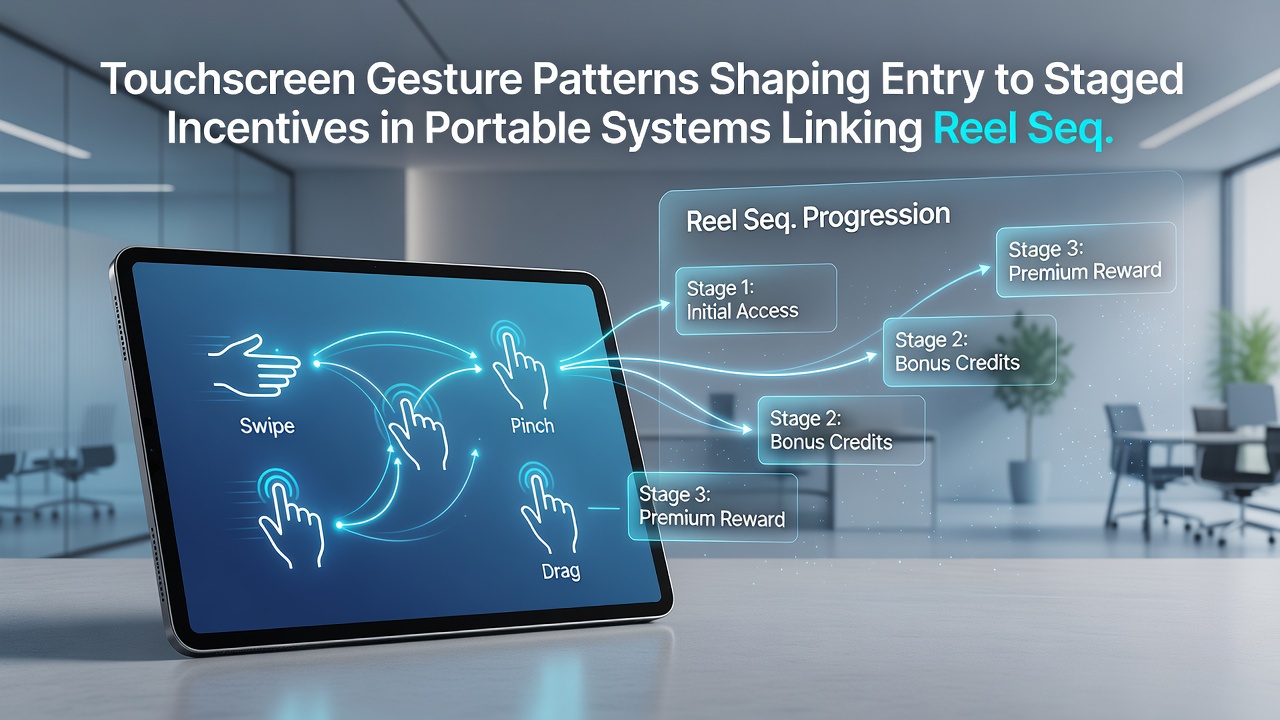
Platforms updated their systems in November 2026 to incorporate additional biometric cross-checks alongside gesture recognition, ensuring that incentive access aligns with regional regulatory requirements. The New Jersey Division of Gaming Enforcement published compliance updates that quarter requiring all portable applications to log gesture sequences for audit purposes, which in turn influenced how developers structured the timing of tier releases. Those updates also addressed data flows between reel modules and athletic outcome markets, requiring clear separation of player funds until gesture-verified transitions occur.
Integration Between Reel Sequences and Athletic Markets
Reel sequences and athletic outcome markets share the same gesture-triggered entry points, which allows a single verified motion to allocate incentive credits across both environments. A completed circular swipe on a reel screen, for example, can simultaneously credit a sports forecasting balance when the user elects to carry rewards forward. Reports compiled by the Australian Communications and Media Authority document that this linkage increased cross-product engagement rates, with users who completed gesture patterns showing higher participation in both reel cycles and live athletic streams during the same session. The architecture keeps reel mechanics independent while permitting incentive values to transfer without requiring separate verification steps.
Regulatory and Technical Considerations in November 2026
By November 2026 several jurisdictions had issued guidance on gesture-based access systems, emphasizing the need for transparent logging and user consent records. Canadian provincial regulators updated their technical standards to include specific requirements for pressure sensitivity thresholds and sequence timeout periods, ensuring that incomplete gestures do not inadvertently grant incentive access. These standards also addressed how athletic outcome data streams integrate with reel modules, requiring that any transferred incentive credits maintain clear audit trails across both product types.
Conclusion
Touchscreen gesture patterns now serve as primary controls for entry into staged incentives within portable systems that link reel sequences to athletic outcome markets. Technical implementations continue to evolve under regulatory oversight from multiple regions, with data collected through late 2026 showing consistent patterns in how users advance through reward tiers when gesture verification governs access. Developers maintain these connections through integrated APIs that preserve separation between mechanical reel functions and live sports forecasting while enabling seamless incentive movement across both environments.