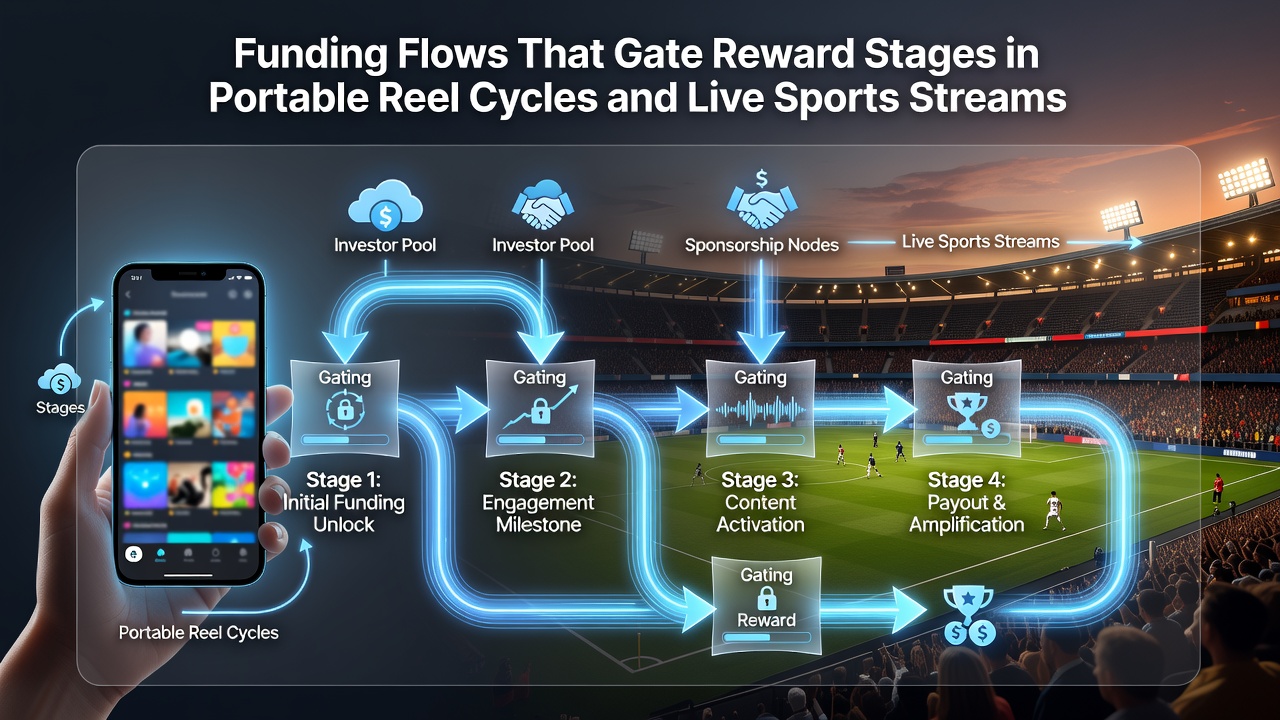
Monetary Pathways Controlling Staged Incentives in Mobile Reel Systems and Live Sports Feeds
Transaction sequences determine when players gain access to successive reward layers inside applications that combine automated reel cycles with real-time athletic streams, and payment timing often sets the pace for feature availability across both environments.
Deposit Thresholds and Initial Access Points
Operators structure entry-level funding requirements that unlock basic reel features alongside initial sports stream access, with minimum deposit amounts typically calibrated to regional banking standards and platform policies. Research from the Nevada Gaming Control Board shows that these thresholds vary by jurisdiction, yet they consistently link the first confirmed transaction to the activation of introductory reward stages in portable systems.
Once a deposit clears, systems register the event and release the corresponding incentive tier, whether that involves additional reel spins or enhanced viewing options during live events. Data from the Australian Communications and Media Authority indicates that clearance times average between 30 seconds and several minutes depending on the payment rail selected, and faster rails correlate with quicker progression to the next reward layer.
Progressive Funding Requirements Across Tiers
Subsequent reward stages require cumulative funding amounts that increase in scale, creating a stepped ladder where each verified transaction advances the account to the following incentive band. Observers note that these cumulative requirements appear in both reel-cycle environments and sports-streaming modules, where continued deposits unlock higher multiplier values or exclusive broadcast angles.
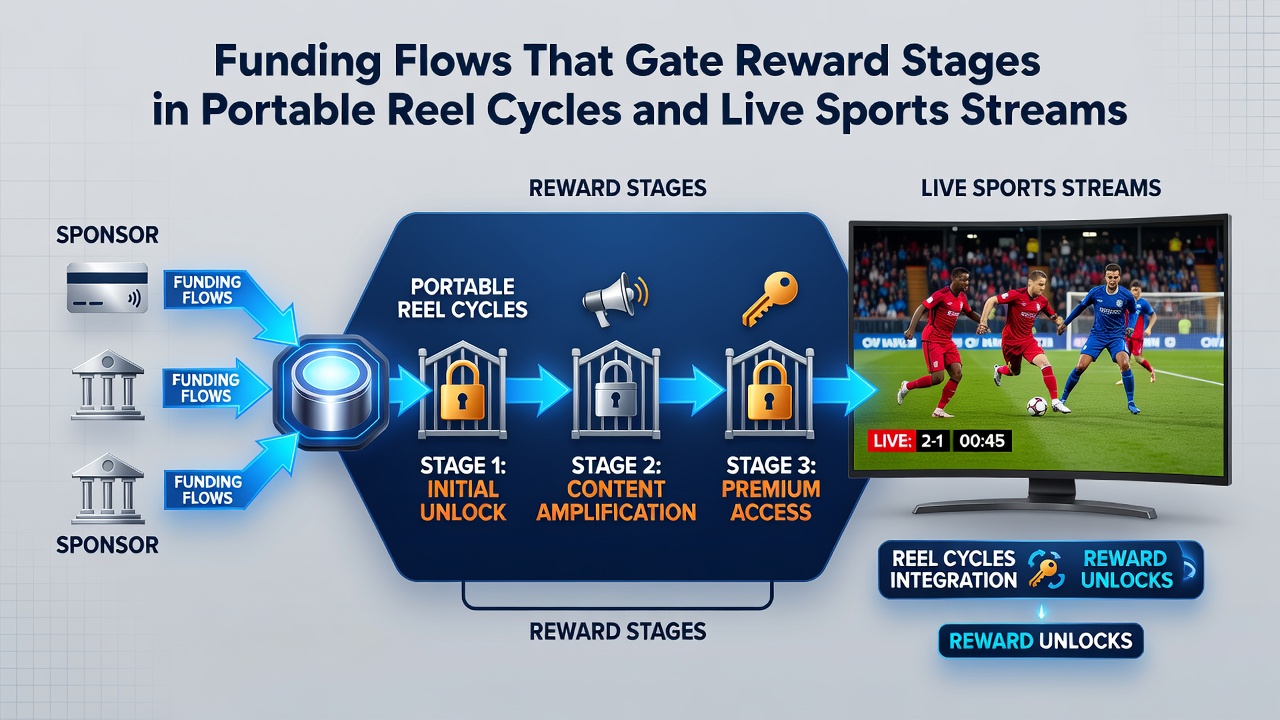
Platform logs reveal that the interval between deposits influences whether users maintain momentum toward the next stage, since many systems impose time-bound windows after each funding event. Figures released by the European Gaming and Betting Association document that accounts meeting successive thresholds within prescribed windows retain access to elevated reward bands longer than those with irregular transaction patterns.
Payment Method Influence on Stage Timing
Different funding channels produce distinct clearance profiles that directly affect when reward stages become available. E-wallet transfers, bank wires, and card authorizations each carry separate processing durations, and operators record these durations as part of the eligibility calculation for new incentive layers. A 2025 industry report compiled by researchers at the University of Nevada, Las Vegas, found that e-wallet routes produced the shortest average interval between deposit initiation and reward activation across sampled mobile applications.
Sports stream modules apply the same funding verification logic, releasing enhanced live data overlays or additional camera feeds once the required transaction registers. Because both reel cycles and athletic streams share the same backend funding engine in many integrated platforms, a single deposit event can simultaneously advance progress in both environments.
Regional Regulatory Adjustments Entering Late 2026
Policy shifts scheduled for November 2026 in several North American markets introduce new reporting obligations for transaction records that support reward progression. These rules require platforms to log the exact sequence of funding events tied to each unlocked stage, and compliance teams have begun adjusting internal systems to capture that granularity. The Ontario Lottery and Gaming Corporation has circulated preliminary guidance that aligns with these forthcoming requirements, emphasizing transparent mapping of capital movement to incentive delivery.
Operators in jurisdictions adopting similar measures report that the added documentation does not alter the underlying funding thresholds themselves, yet it does lengthen the administrative verification step before certain higher tiers activate. Accounts that maintain consistent transaction histories experience fewer delays under the updated protocols.
Integration of Reel and Stream Reward Logic
Shared ledger systems allow a deposit made in one module to satisfy requirements in the other, so users who fund through reel interfaces can unlock sports-stream enhancements without a second transaction. Platform architecture documents indicate that this cross-module recognition reduces friction and keeps users within a single funding flow rather than requiring separate deposits for each content type.
Analytics provided to operators show that accounts utilizing unified funding pathways reach maximum reward tiers at higher rates than those managing separate balances for reels and streams. The pattern holds across multiple device types, suggesting the linkage between funding events and staged incentives functions consistently regardless of access method.
Conclusion
Funding flows serve as the primary control mechanism for progression through reward stages in applications that merge portable reel cycles with live sports streams. Transaction volume, timing, and method each contribute measurable effects on when successive incentive layers become available, and regulatory developments scheduled for November 2026 will add further documentation layers around those same flows. Operators continue to refine the linkage between capital movement and feature access while maintaining compliance with evolving regional standards.